

Everything you ever wanted to know about tempeh but were afraid to ask! Today we're covering the basics: what is tempeh, how to cook it and where to buy it!
I fell in love with tempeh the first time I ever ate it. This was a big surprise to me! I hadn't had any luck with tofu at that point, so when I saw a shiny new (to me) soy product at my local health food store, I decided to bring it home and give it a go.
Jump to:
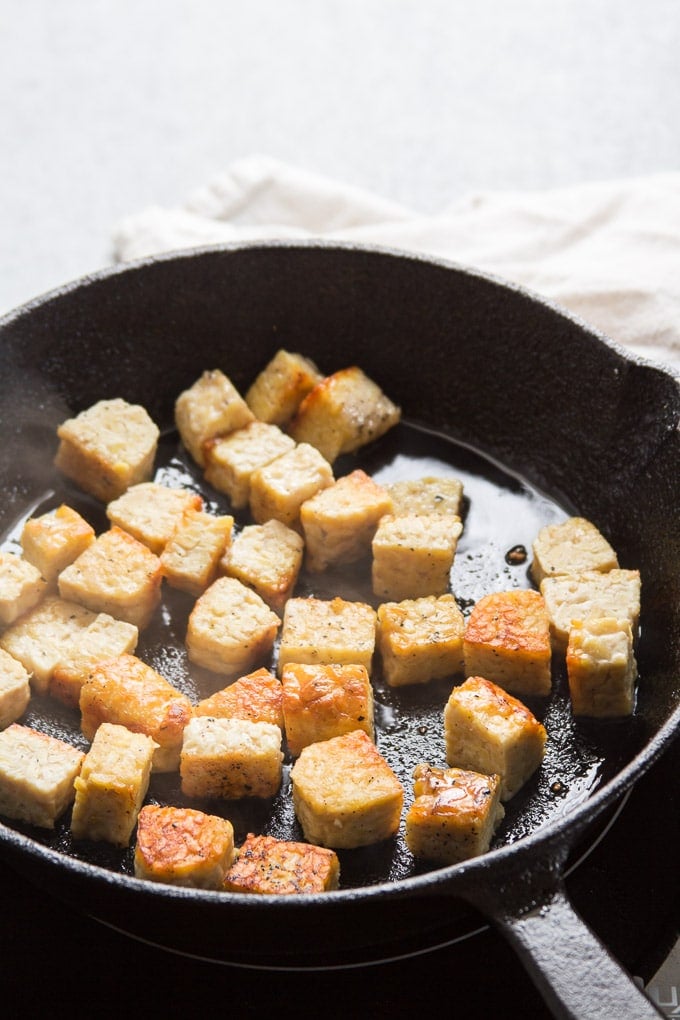
I cooked up that first block of tempeh very simply by pan-frying it in some olive oil, and as far as I was concerned, it was heaven. Soft but textured, somewhat nutty, and a little bit funky would be about how I'd describe it. But it was also totally different from anything I'd ever tasted.
So of course it surprised the heck out of me when I started blogging and discovered that lots of folks either (1) don't like tempeh, or (2) don't know what to do with it. I'm hoping this little guide can help you with all of that.
First thing's first:
What is Tempeh?
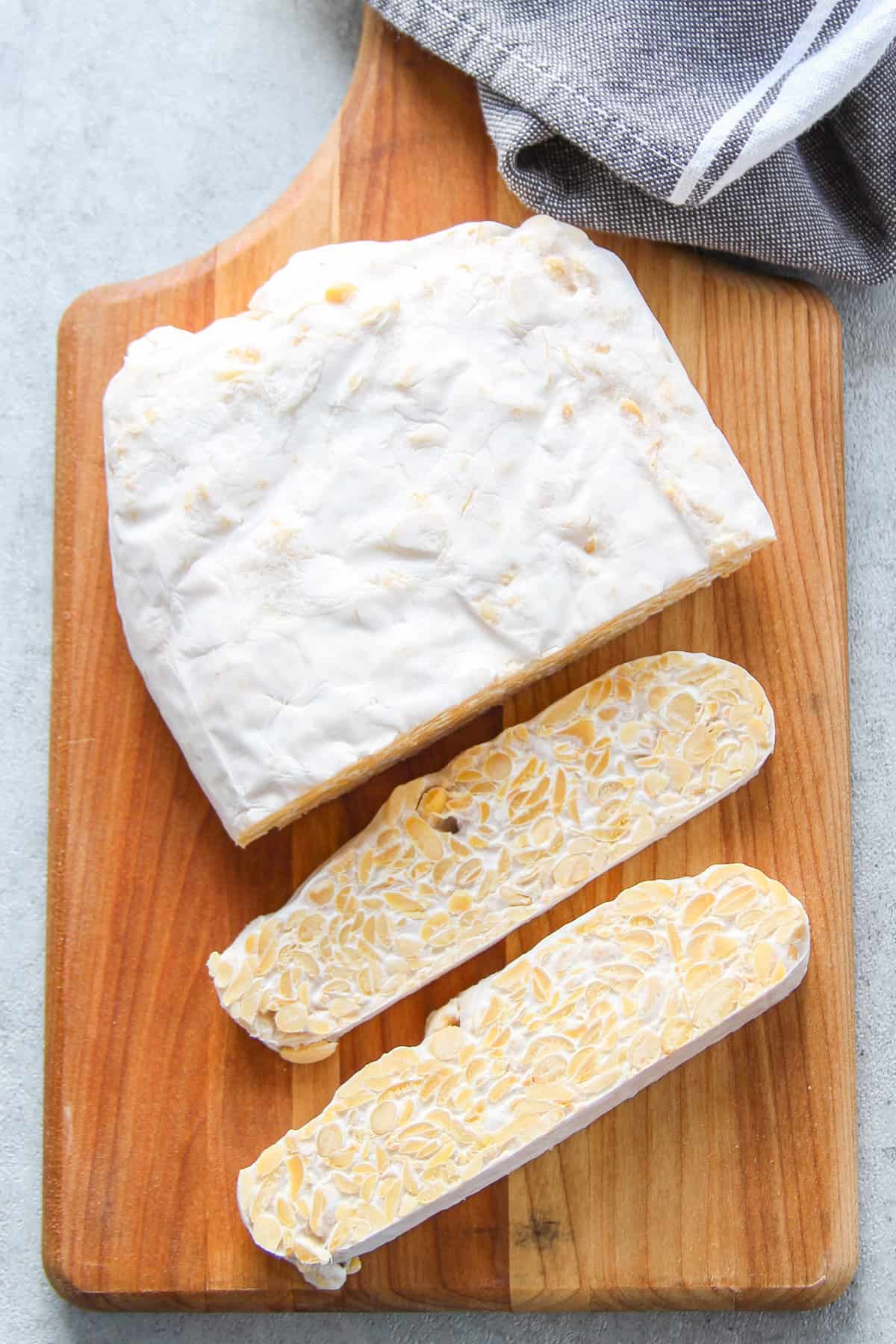
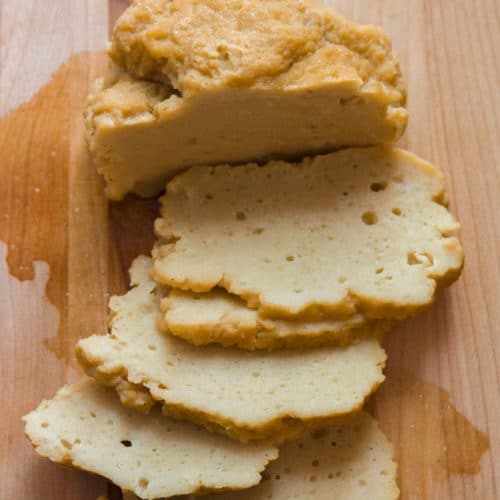
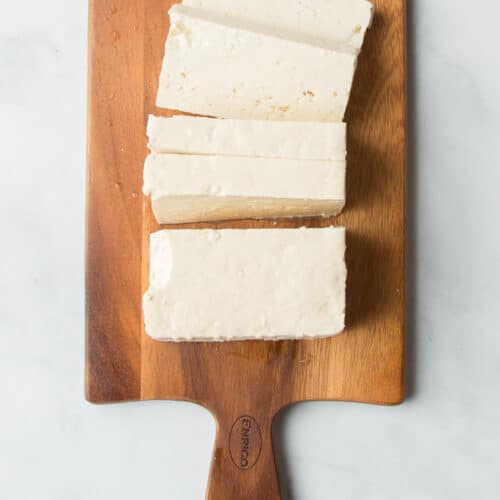
Tempeh is an Indonesian food, and like tofu, tempeh is a soy product. It's quite a bit different from tofu though. Tofu is made from soy curds. What's that mean? For our purposes today, we'll say it's a bit more processed than tempeh. It takes some magic to turn soybeans into curds! If you're interested in learning about that process, check out my guide to tofu.
Tempeh on the other hand is made from whole soybeans. Or, okay, halved soybeans, and some broken ones, but close enough. This means it's less processed than tofu, which is why lots of whole food purists prefer it. (I, for the record, love tofu and tempeh equally these days.)
In addition to soybeans, and this is the kind of weird part, tempeh contains a type of mold. Don't be too freaked though! Like other fermented foods, the mold used to make tempeh (it's called Rhizopus ogliosporus) is beneficial, and actually considered to be healthy. It's also what makes tempeh downright tasty, in my humble opinion.
The mold and soybeans are bound together into solid blocks by a fermentation process that you can learn more about in this tutorial on how to make tempeh. You can see in the image above how the beans are held together by the mold.
Sometimes you'll get a block of tempeh with some gray spots on it. This is nothing to worry about! It's the same type of mold, just at a later stage of growth. Feel free to cut off any gray spots if they bother you. You may find the flavor of tempeh that's started graying to be a bit more intense than when it's super fresh and brilliant white.
If your tempeh is mostly gray and limp, this means it's starting to go bad. Toss it and get a new block.
In addition to being delicious, tempeh is pretty darn healthy! It's packed with fiber, vitamins, minerals, probiotics, and plant-based protein. So cooking with it is basically an all-around win.
What Does Tempeh Taste Like?
Tempeh has a very distinctive flavor that's been described as funky, nutty, or even similar to mushrooms. You really need to taste it to get it!
Tempeh can also be bitter. Some folks like this about tempeh, and some don't. We'll talk about some cooking techniques below to help mitigate that bitterness if you're not a fan.
Where to Get Tempeh
Depending on where you live, there's a good chance that you can buy tempeh at regular old grocery stores. If not, try health food markets like Whole Foods. Lightlife and SoyBoy are two popular brands that are available where I live. Trader Joe's also carries tempeh, and they have their own brand.
When you shop for tempeh you might notice that it comes in different varieties — regular, multigrain, flax, and a few others. Regular tempeh is just soybeans and mold. Those other varieties just have additional ingredients such as grains mixed in and fermented along with the soybeans. You might even come across soy-free varieties of tempeh that substitute things like hemp seeds and other types of beans for soy.
If you're new to cooking with tempeh, I recommend starting with basic soy tempeh and then branching out to try some other varieties.
Cooking Techniques
I mentioned above that some people immediately hate the taste of tempeh, due to it's bitter flavor. My husband, for example, really only likes it when it's cooked in a way to hide/remove the bitter flavor. There are a couple of tricks for that!
Steaming Tempeh
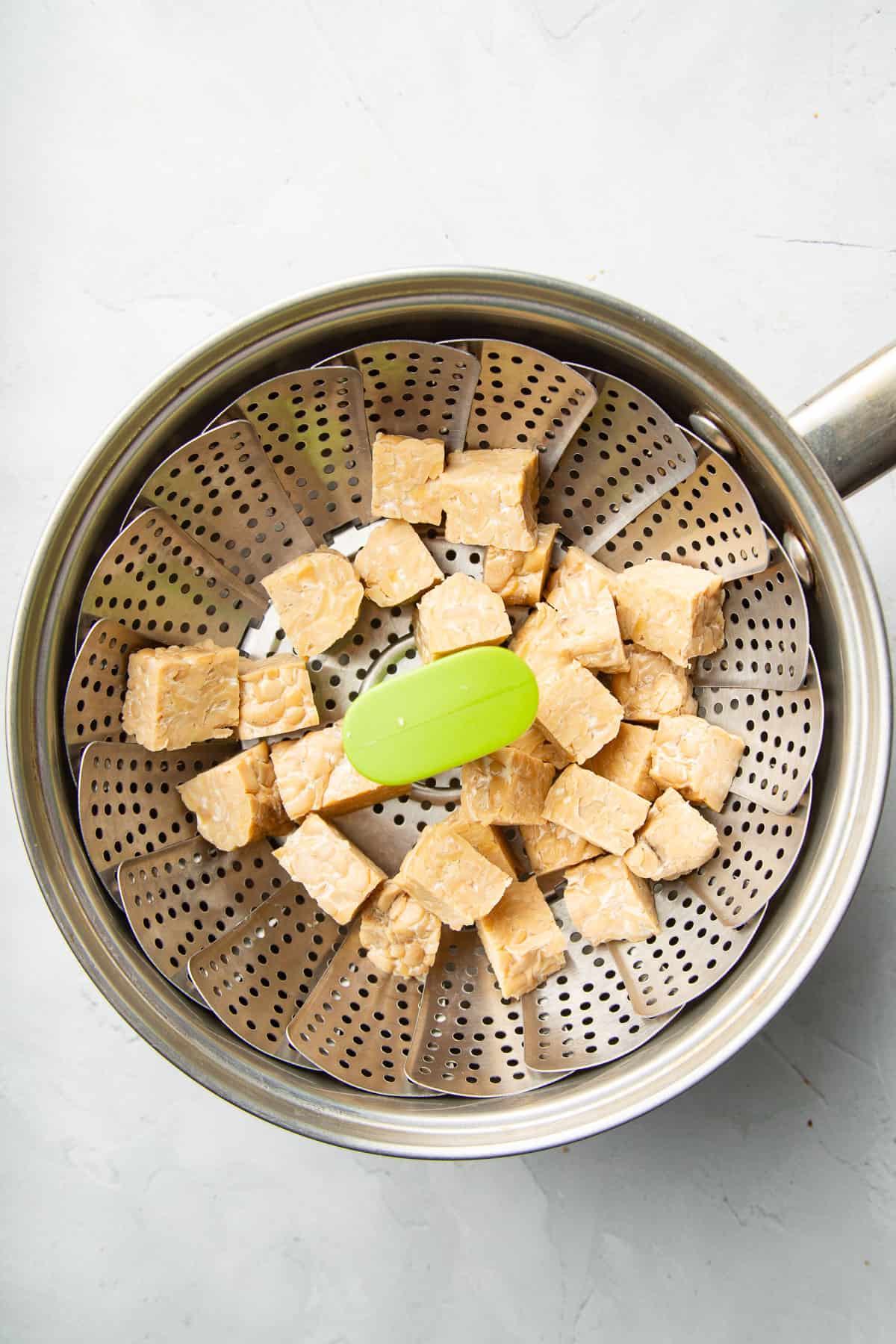
Steaming your tempeh will remove a lot of the bitterness. Steaming is to be done before incorporating tempeh into a recipe.
The preferred method of steaming would be to place your tempeh into a steamer basket fitted in a saucepan with a few inches of water. Bring the water to a boil, cover the pan and let the tempeh steam for 15 minutes or so.
Then there's the quick and dirty method: wrap your tempeh in a wet paper towel, put it on a plate and microwave it for 4 minutes. Be super careful not to burn yourself when removing it from the microwave! This method isn't quite as effective as the steamer basket method, but it gets the job done in a pinch.
For more details, see my full article on how to steam tempeh.
Crumble It
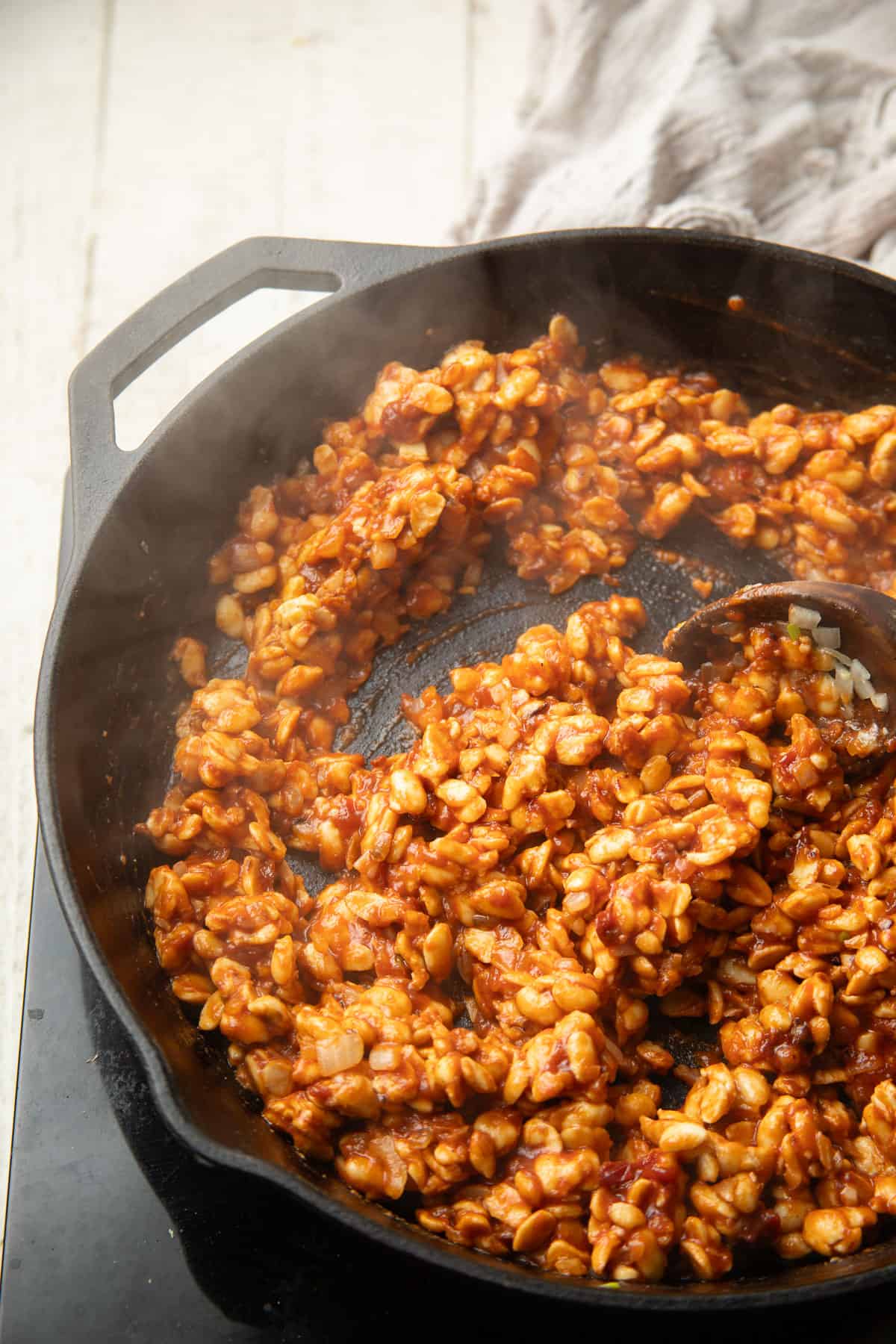
Because tempeh is made from beans embedded in mold, it's naturally easy to crumble. And crumbled tempeh makes a great meat substitute! Add it to a super flavorful sauce or stew, and you won't taste much of that bitterness that so many people find off-putting.
Tempeh can either be crumbled directly into your sauce or stew, or browned first in a bit of oil.
Try making a tempeh chili, temeph tacos or Tempeh ragu.
Pan-Fry It
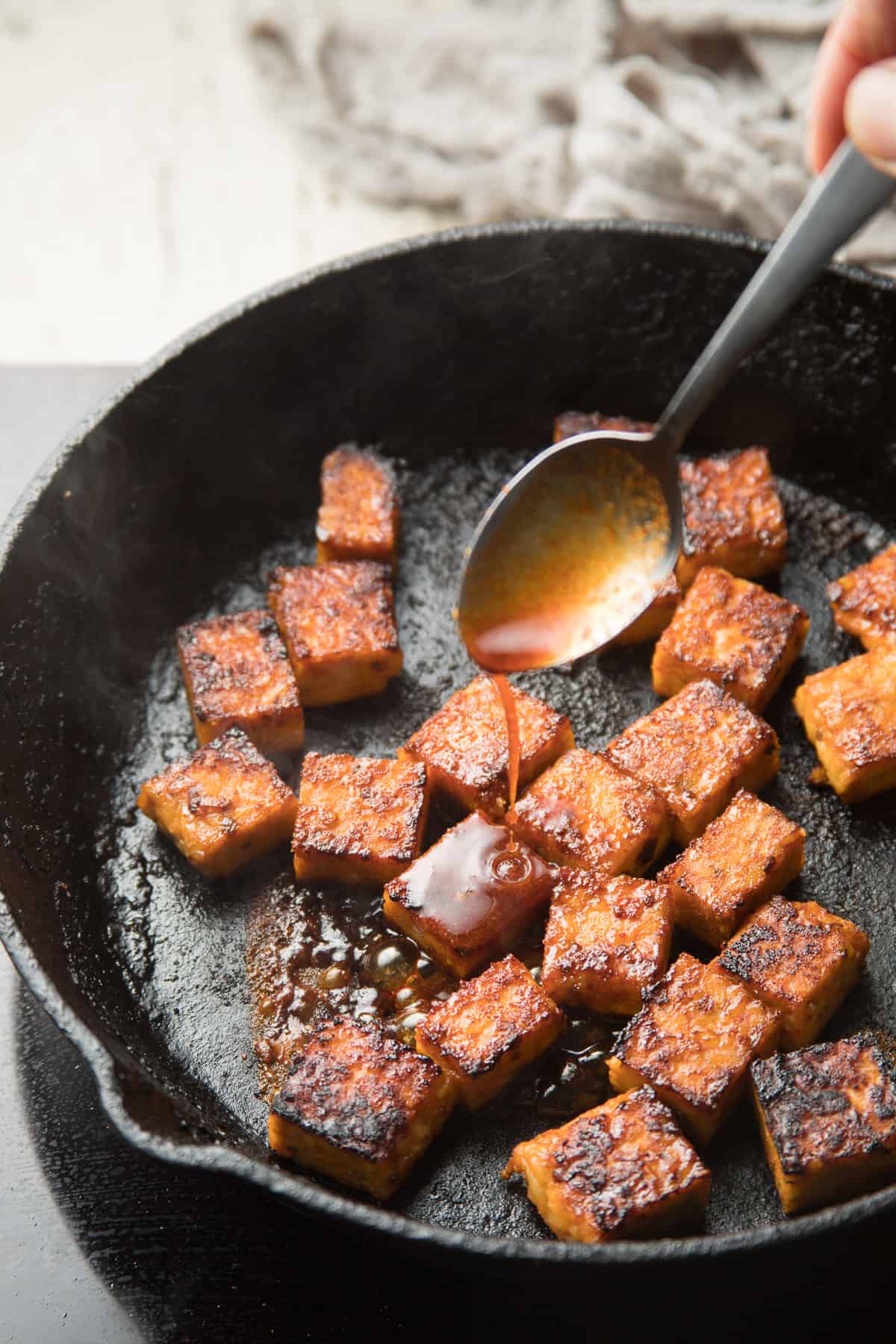
Pan-frying is a great cooking method for people that really enjoy the taste and texture of tempeh. You're not hiding anything when you cook tempeh using this method.
Heat some oil in a skillet and add your tempeh, in whatever form you like: strips, slabs or cubes all work. Fry each side for a few minutes until lightly browned, and then add any additional seasonings or sauces. Pan-fried tempeh slabs are great for sandwiches, strips make an awesome vegan bacon substitute, and cubes go great in a stir-fry.
Bake It
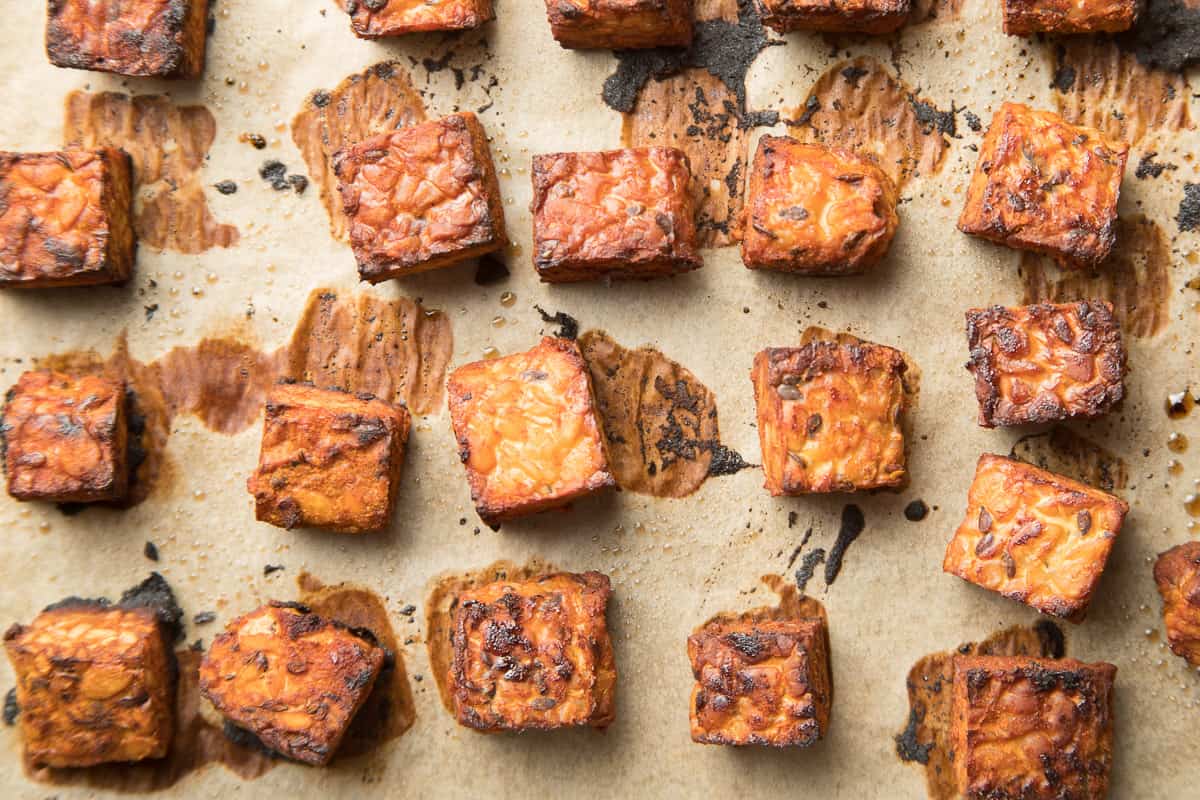
Tempeh can be baked using basically the same method as tofu (but no pressing is required!). Simply cut your tempeh into bite sized pieces and soak them in a flavorful marinade. Any shape will do, but keep in mind that the smaller you cut your pieces, the more surface area will be available to soak up the marinade.
Arrange your tempeh pieces on an oiled or parchment paper-lined baking sheet and bake them for about 30 minutes at 400°, flipping them halfway through.
A Note of Caution
Whatever you do, make sure you actually cook your tempeh. Never eat raw tempeh. Remember that tempeh is a fermented food, meaning it's been sitting around in warm temperatures growing stuff for a few days, so there's a chance it could've grown some bad stuff in addition to the Rhizopus oligosporus. (And honestly, I'm not even sure if Rhizopus oligosporus itself is safe to eat raw.)
Unless you're using tempeh from a package that specifies it's been precooked, don't chance it — cook it up!
Tempeh Recipes
Here are a few more fun tempeh recipes to try out!
- Tempeh Ribs
- Vegan BLT Sandwiches
- Chipotle Tempeh Tacos
- Cashew Tempeh Stir-Fry
- Marinated Peanut Tempeh - Minimalist Baker
- Korean Barbecue Tempeh Wraps
- Tempeh Bacon Stuffed Mushrooms
- Smoky Vegan Broccoli Soup with Crispy Tempeh Croutons - Veggie Inspired
- Savory Tempeh Breakfast Sandwiches
- Vegan Curry Noodles with Tempeh - Delish Knowledge
- Sweet, Spicy & Sticky Stir-Fry with Tempeh and Brussels Sprouts - Hello Veggie
- Ginger Sesame Tempeh Lettuce Wraps
- Teriyaki Tempeh Meatballs
Frequently Asked Questions
Yes, it generally is!
Tempeh's nutrition can vary a bit from brand to brand, but a typical 75 gram serving will contain around 170 calories, 7 grams of fat (1 gram saturated), 10 grams of carbohydrates (about 4 grams coming from fiber and 2 grams from sugar), and a whopping 17 grams of protein. Additionally, you'll get about 6% of your daily calcium and iron, and 8% of your daily potassium. As tempeh is plant-based, it's cholesterol free.
Leftover tempeh will keep in an airtight container in the fridge for about three days, although the exact amount of time will depend on the recipe it was used in and the other ingredients.
After the package has been opened, be sure to transfer your tempeh to an airtight container or bag. After that, it will keep in the fridge for about two days.
Yes! In fact, freezing is a great way to extend the shelf life of tempeh. You can freeze it before cooking, either in its original packaging or an airtight container or bag. After cooking, place it in an airtight container. In any event, your tempeh will be good in the freezer for at least three months. Thaw it in the fridge for a half day or so. If it was frozen in its original packaging and you're in a hurry, it can be thawed quicker in a hot water bath.

Like this post? Let me know in the comments! Also be sure to follow me on Facebook, Pinterest or Instagram, or subscribe to my newsletter for more tips!


Do I steam the tempeh then marinate, and then cook in a pan? I'm trying to learn to eat better and more vegetarian/vegan (it's very hard!!) I'm type 2 diabetic, and overweight so I need help :)
That's one way to do it, and it works well! Generally you'll want to steam it right after taking it out of the package, and before doing anything else. From there you could cook it using any number of techniques. I would recommend trying a few of the recipes linked in the article to start. Once you get a feel for things you can start to experiment and come up with your own dishes.